How to Check Vehicle History in Ontario (What Records Are Available)
How to Check Vehicle History in Ontario (What Records Are Available)
Ontario is Canada’s largest used-car market, which also makes it one of the most complex when it comes to vehicle history records. Buyers often assume that an ownership paper or safety certificate tells the full story—but many critical records are not visible at the point of sale.
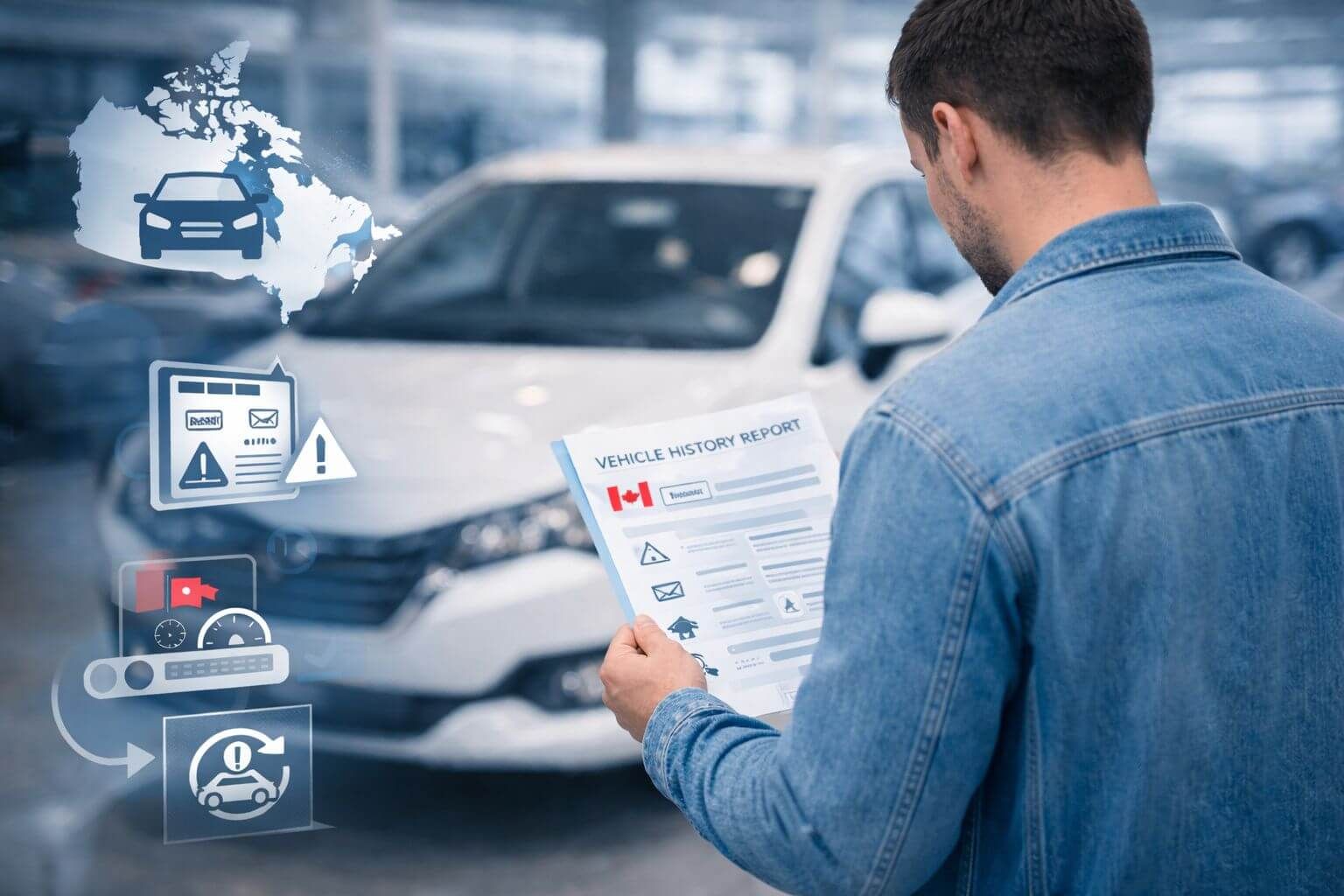
This guide explains how to check vehicle history in Ontario, what records are available, where gaps exist, and how VIN-based vehicle history reports help buyers reduce risk before purchasing.
Why Ontario Vehicle History Checks Are Especially Important
Ontario vehicles often change hands frequently and may move across provinces. As a result:
- Accident records may be incomplete
- Liens can remain active after resale
- Vehicles may have prior commercial or fleet use
- Branding or damage history may originate outside Ontario
Relying on paperwork alone can expose buyers to hidden risks.
What Vehicle History Records Exist in Ontario
Ontario vehicle history information may come from multiple sources, including:
- Insurance-related accident and damage records
- Lien registrations tied to the VIN
- Provincial registration and transfer data
- Manufacturer recall and safety notices
No single document contains all of this information.
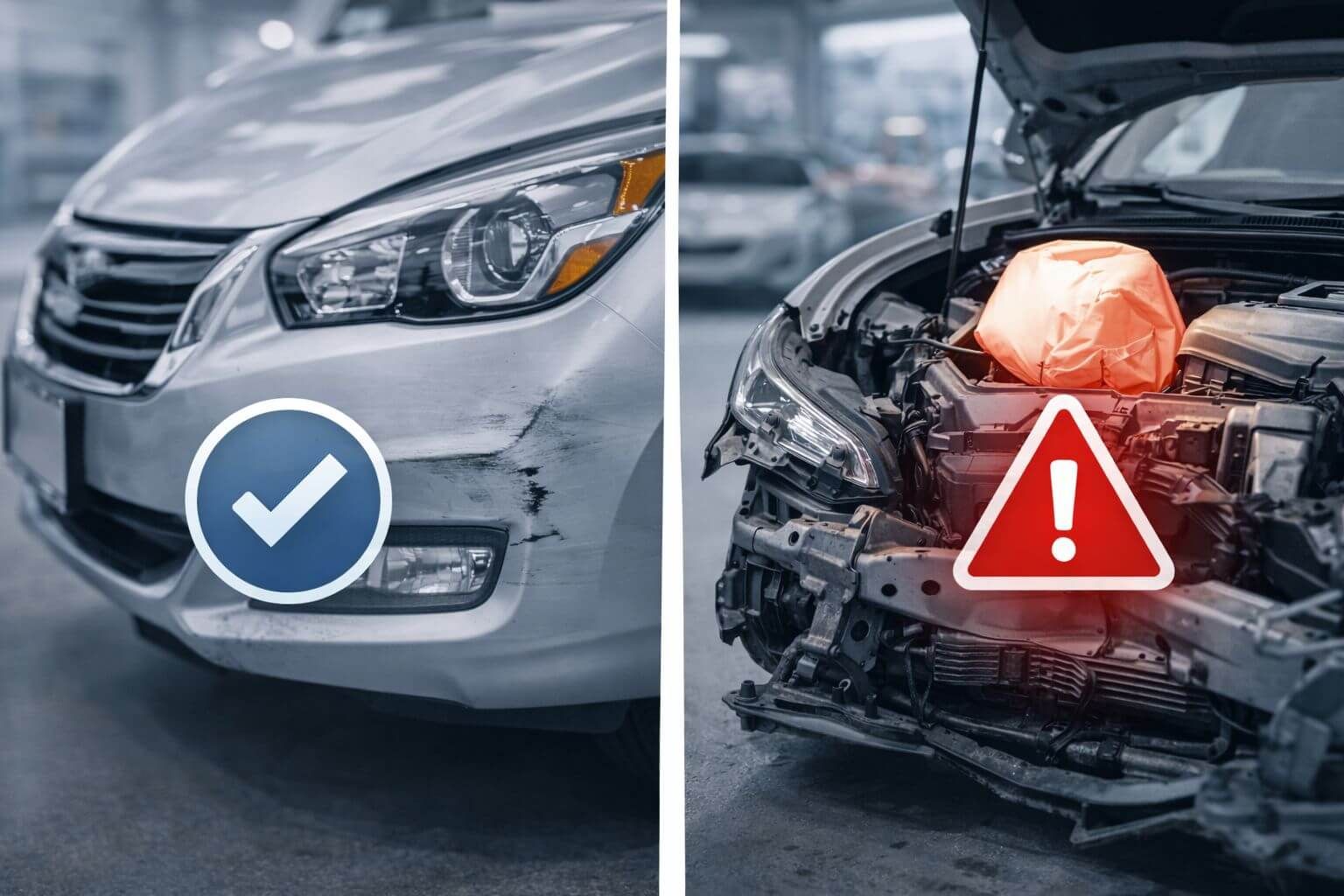
Accident and Damage History in Ontario
Not all collisions in Ontario are reported publicly. Some damage may:
- Be repaired privately
- Fall below reporting thresholds
- Occur outside the province
VIN-based vehicle history reports help surface available accident indicators and provide context beyond visual inspection. Buyers should understand how accident history works in Canada before relying on seller claims.
Lien Checks for Ontario Vehicles
Ontario uses a Personal Property Security Registration system to record vehicle liens. Key considerations include:
- Liens attach to the vehicle, not just the owner
- Clean ownership papers do not guarantee lien-free status
- Private sales carry higher lien risk
Buyers should always review guidance on checking if a car has a lien in Canada, particularly for Ontario purchases.
Stolen Vehicle and Ownership Risk
A vehicle stolen in Ontario—or another province—may still appear legitimate at sale. VIN-based screening helps identify theft or recovery indicators tied to the vehicle’s history.
This step is essential before completing ownership transfer.
Recalls and Safety Issues
Vehicle recalls in Ontario follow manufacturer and federal safety programs. Because recalls apply to specific VIN ranges, buyers should always verify recall status using the VIN and confirm repair completion where applicable.
What Ontario Ownership Documents Don’t Show
Common documents often do not reveal:
- Prior accidents outside reporting systems
- Historical liens that were not disclosed
- Salvage or rebuilt branding from another province
- Prior commercial or fleet usage
This is why VIN-based aggregation is critical.
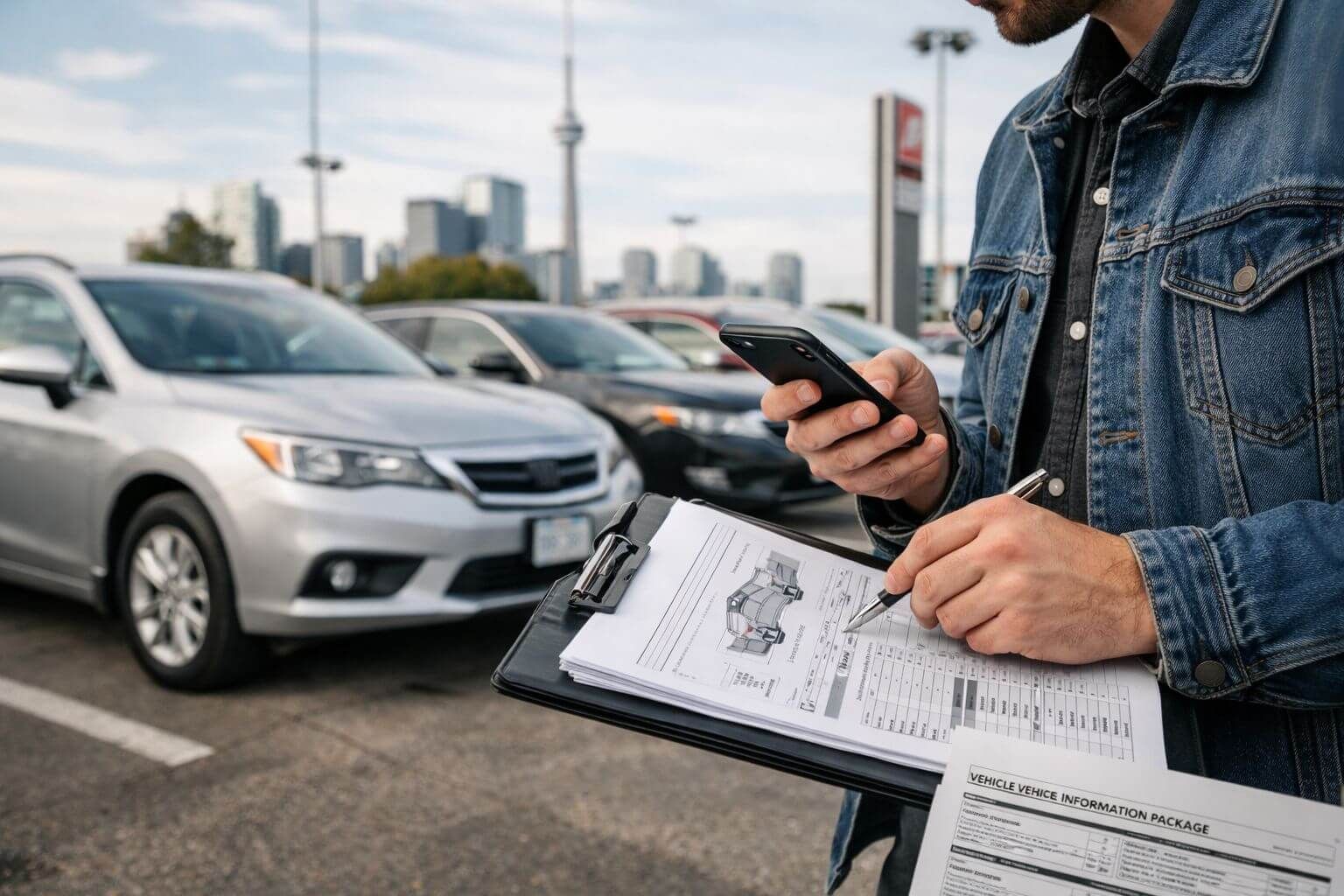
How to Check Vehicle History in Ontario (Step-by-Step)
- Locate and verify the VIN on the vehicle
- Confirm VIN matches Ontario registration documents
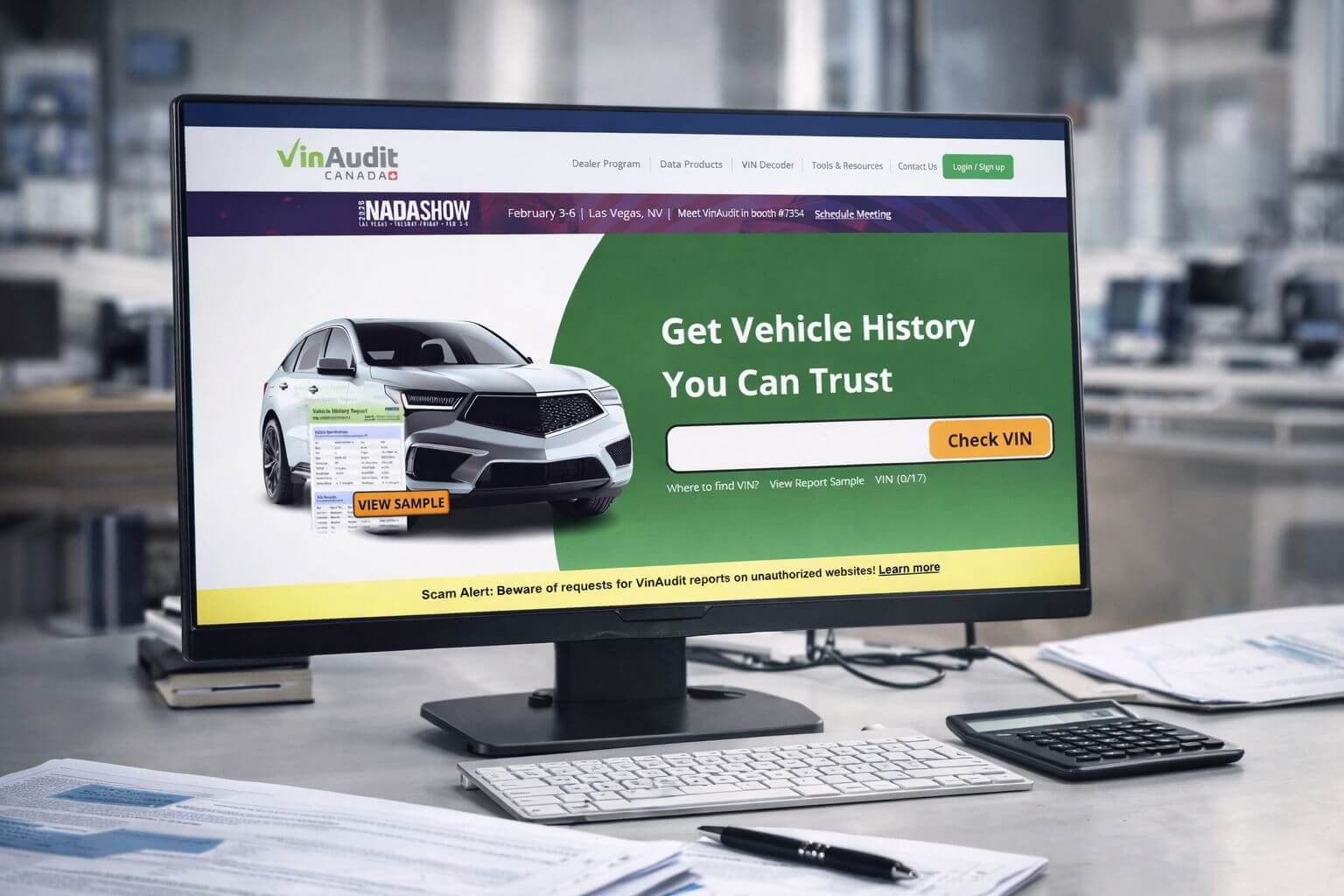
- Review accident, lien, theft, and recall indicators in a vehicle history report
- Pair findings with a professional inspection
Vehicle history checks should be completed before payment or transfer.
Ontario Vehicle History vs Other Provinces
| Factor | Ontario |
|---|---|
| Market size | Very large |
| Private sales | Common |
| Cross-province vehicles | Frequent |
| Lien risk | Moderate to high |
Ontario buyers benefit significantly from VIN-based verification.
Final Thoughts
Knowing how to check vehicle history in Ontario helps buyers navigate one of Canada’s most complex used-car markets. Because records are fragmented, VIN-based vehicle history reports provide broader visibility than paperwork alone.
Before buying any used vehicle in Ontario, always verify the VIN, review history indicators carefully, and combine report findings with inspection and documentation review. This approach reduces risk and supports confident purchasing decisions.